Season gear
What a season of outdoor work actually requires you to buy — and, just as important, what you should not buy from a page like this one.
Highest paying outdoor jobs → Season gear
First: work out what you are actually buying
Before spending anything, get the employer to tell you what they issue. The pattern across the jobs on this site is fairly consistent, and it is worth knowing which side of the line each item falls on.
- Almost always issued by the employer: hard hats, fall-protection harnesses and lanyards, flame-resistant clothing for electrical and oil work, chainsaw chaps, hearing and eye protection, high-visibility vests. If an employer expects you to supply these, treat that as information about the employer.
- Usually yours: boots, socks, base layers, outerwear, gloves for general work, a headlamp, food and water containers, a bag to carry it in.
- Depends entirely: hand tools. Some trades expect you to arrive with a basic set; some issue everything. Ask before you spend a few hundred dollars finding out.
The single most useful question in an interview: what am I expected to turn up with on day one? Nobody minds being asked, and the answer is worth more than any list.
Boots, socks and layers
This is where money is well spent, because it is where a season is won or lost. Long days standing, weather you cannot leave, and no realistic chance to dry out mid-shift.
Work socks
Twelve-hour days in boots. Merino wool rather than cotton, cushioned, and more pairs than feels sensible — laundry access in staff housing is not guaranteed.
Darn Tough Steely Boot work sock $26.95or compare alternatives →Base layer
Merino again, for the same reason: it keeps working when it is damp and it does not start to smell after two days. The layer nearest your skin matters more than the jacket over it.
Merino wool base-layer T-shirt $44.99or compare alternatives →Outer layer
A duck-canvas or insulated work jacket rated for wet cold — not a ski shell. Work jackets are cut to let you reach overhead and are built to survive abrasion rather than to look good on a lift.
Carhartt Washed Duck Active Jacket $129.99or compare alternatives →Work belt
Unremarkable until it fails. Leather, wide enough to carry weight, and not the one you wear to dinner.
Carhartt rugged canvas duck beltor compare alternatives →On boots: we deliberately do not link a specific pair. Fit is the whole thing, sizing is inconsistent between makers, and several of these jobs require a safety rating — steel or composite toe, metatarsal guard, electrical hazard — that depends on the employer's specification. Buy them somewhere you can try them on, and ask what rating is required before you do.
Light and power
Shifts start before dawn and restoration work runs into the night. In staff housing, outlets are shared and scarce.
Headlamp
Rechargeable, and rated to survive being dropped off a truck. Hands-free light is not optional once the day gets short.
Black Diamond Spot 400-R headlamp $59.88or compare alternatives →Rechargeable batteries
For everything that is not rechargeable itself. Cheaper than a season of disposables and less to carry in and out of a remote site.
Compare USB rechargeable AA batteries →Food and water on site
Most of these jobs put you a long way from anywhere to buy lunch. If housing includes meals — as it does at most park concessionaires — this is about getting that food to the job, not replacing it.
Insulated food jar
Hot food at the middle of a cold shift changes the day more than the price suggests.
Stanley classic food jar and spork $28.00or compare alternatives →Hard cooler
For crews working out of a truck all week. Worth it if you are somewhere without a canteen; unnecessary if you eat in a dining hall.
YETI Roadie 24 hard cooler $250.00or compare alternatives →Hand tools, if you are expected to bring them
Ask first. In some trades arriving without a basic set marks you out; in others everything is issued and buying your own is money wasted. This section assumes you have checked.
General hand tool set
Pliers, drivers, strippers — the set that covers most of what a first-year is asked to do.
Klein Tools hand tool kit $104.99or compare alternatives →Mechanics set
Sockets and ratchets, for equipment work rather than electrical. Grooming, plant and heavy equipment roles lean on this far more than on a hand tool kit.
CRAFTSMAN Versastack mechanics tool set $49.98or compare alternatives →Tool bag or backpack
A backpack carries better than a bucket if you climb anything, and keeps both hands free on a ladder.
Klein Tradesman Pro tool backpack $119.99or compare alternatives →Duffel for the season itself
Staff housing means moving your whole life twice a year. One large, genuinely durable bag beats three that split.
Compare large heavy-duty duffels →If you are moving into staff housing
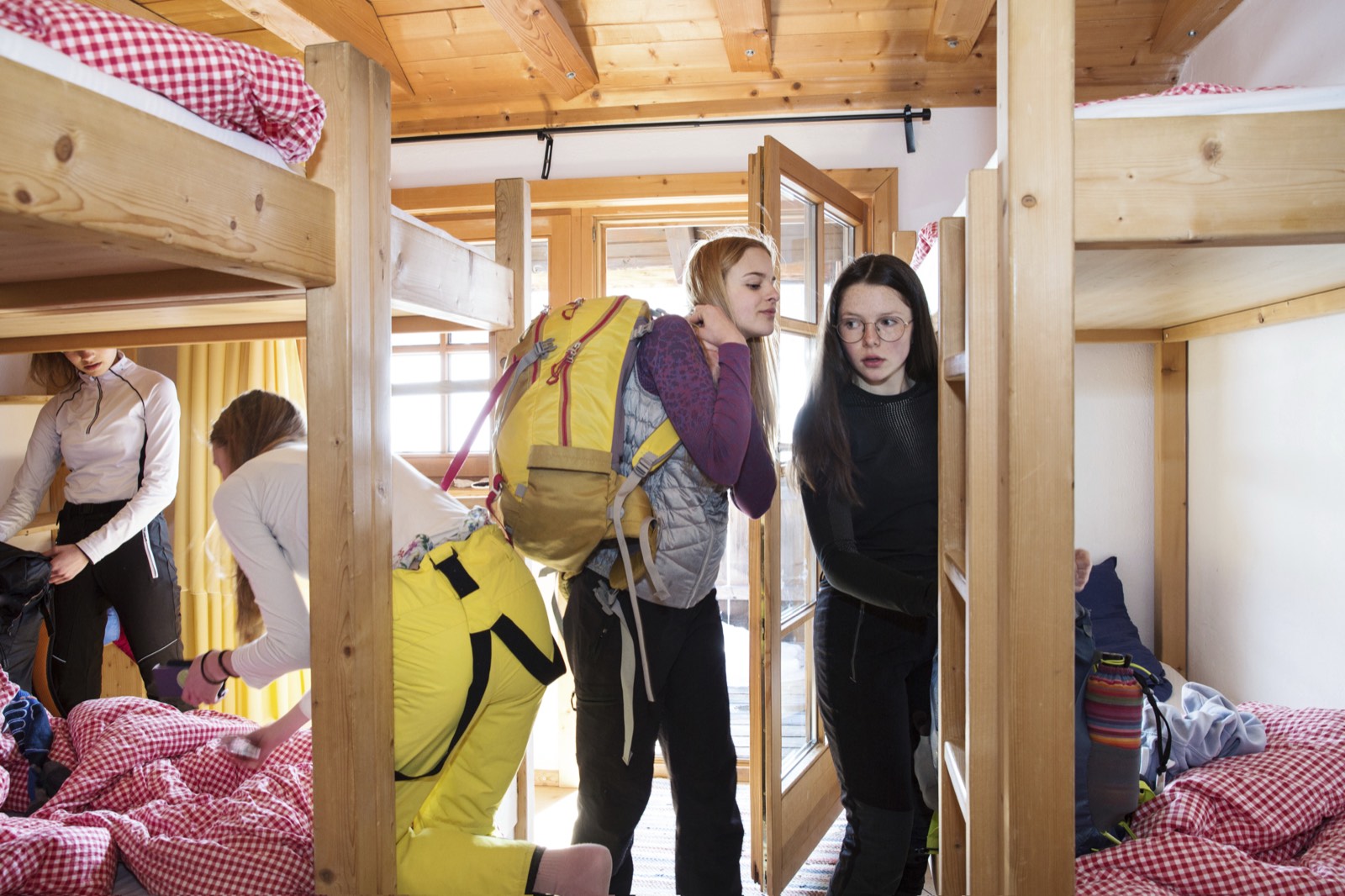
Most seasonal roles on this site include accommodation, and it is usually a shared room in a dormitory — see what it costs and what the parks charge. Two things people consistently wish they had brought: a decent padlock for a shared locker, and earplugs. Neither needs a link.
Two they consistently over-buy: cooking equipment, when meals are included in the deduction anyway, and cold-weather gear bought for a climate they guessed at. Wait until you know which building you are in.
Common questions
What gear do I need for a seasonal outdoor job?
Boots, work socks, base layers, outerwear, a headlamp and a way to carry food and water covers most front-line seasonal roles. Safety equipment — hard hat, harness, flame-resistant clothing, chaps — is normally issued by the employer and should meet their specification, not your judgement. Hand tools depend entirely on the trade, so ask before buying.
Does my employer provide safety equipment?
For the jobs covered on this site, usually yes: hard hats, fall protection, flame-resistant clothing, chainsaw chaps and hearing and eye protection are typically issued. If an employer expects you to supply your own, treat that as useful information about the employer.
Why don't you recommend specific work boots?
Fit decides whether boots work, sizing is inconsistent between makers, and several of these jobs require a specific safety rating — steel or composite toe, metatarsal guard, electrical hazard. Buy them somewhere you can try them on, after asking your employer what rating is required.
How much should I budget for gear?
If you are buying clothing and personal kit but not tools, a few hundred dollars covers it. Tools can add several hundred more, which is exactly why it is worth confirming what is issued before spending. Set that against a season's pay — a park or resort season is often $12,000 to $18,000 — and buying good socks twice is still cheaper than buying bad ones once.
Sources and method
- How these items were chosen
- Each product link was verified individually by loading the product page: a real listing, a title matching the description here, and in stock at the time of checking. Each search link was run and confirmed to return relevant results rather than a different category.
- Two searches that were rejected
- "Waterproof insulated work jacket" returned ski and snowboard jackets; "ratchet work belt" returned tactical concealed-carry gun belts. Neither is what this audience needs, so both were replaced. Link targets get checked rather than assumed.
- What could not be verified
- Seller identity. Amazon renders the buybox client-side, so whether an item ships from Amazon or a third-party seller is not reliably readable. The items here are category-defining products from established brands, which is the best available proxy for stability — but it is a proxy, and prices and availability change.
- Not linked, as a standing rule
- Climbing saddles, ropes, chaps, helmets, fall protection, electrical PPE and flame-resistant clothing. This is set out in the disclosure and is not negotiable per-page.
- Corrections
- If a link is dead or a price is badly out of date, tell us and we will fix it.
The roles this gear is for
Every item here belongs to a job. These are the pay pages for those jobs.