Outdoor jobs that pay well without a degree
Seven occupations you can enter on a high school diploma or a short certificate — and the highest-paying of them beats every degree-required outdoor job except one.
The trades beat the conservation route at every stage
People looking for outdoor work usually start with rangers, biologists and foresters. Those are real careers, and every one of them requires a bachelor's degree to enter. Meanwhile a power-line installer earns a median of $95,320 on a high school diploma — more than the forester, the surveyor and the wildlife biologist, none of whom got in without four years of tuition.
No-degree occupations by pay
Click any column heading to sort| Occupation | Median pay | Top 10% | Entry route | Growth to 2035 |
|---|---|---|---|---|
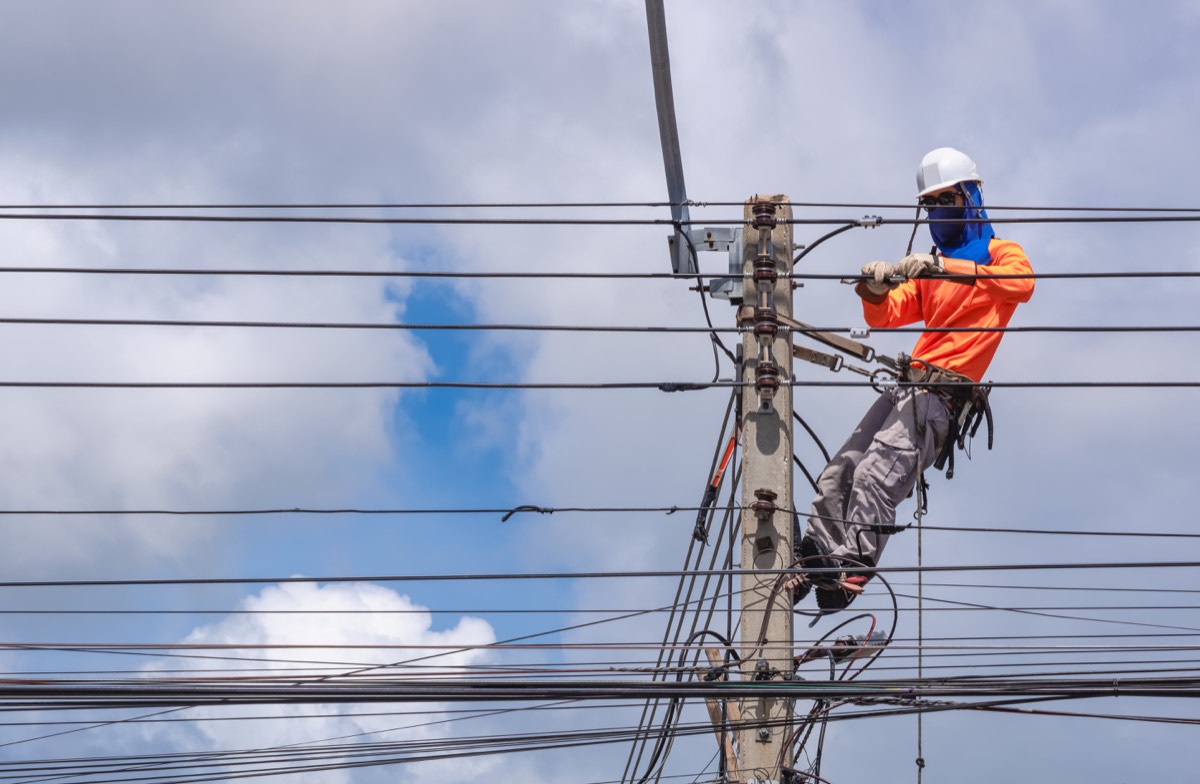
| Power-line installerElectrical power-line installers & repairers | $95,320 | $128,690 | High school + apprenticeship | +10% |
| Wind turbine technicianWind turbine service technicians | $64,120 | $92,460 | Postsecondary award | +30% |
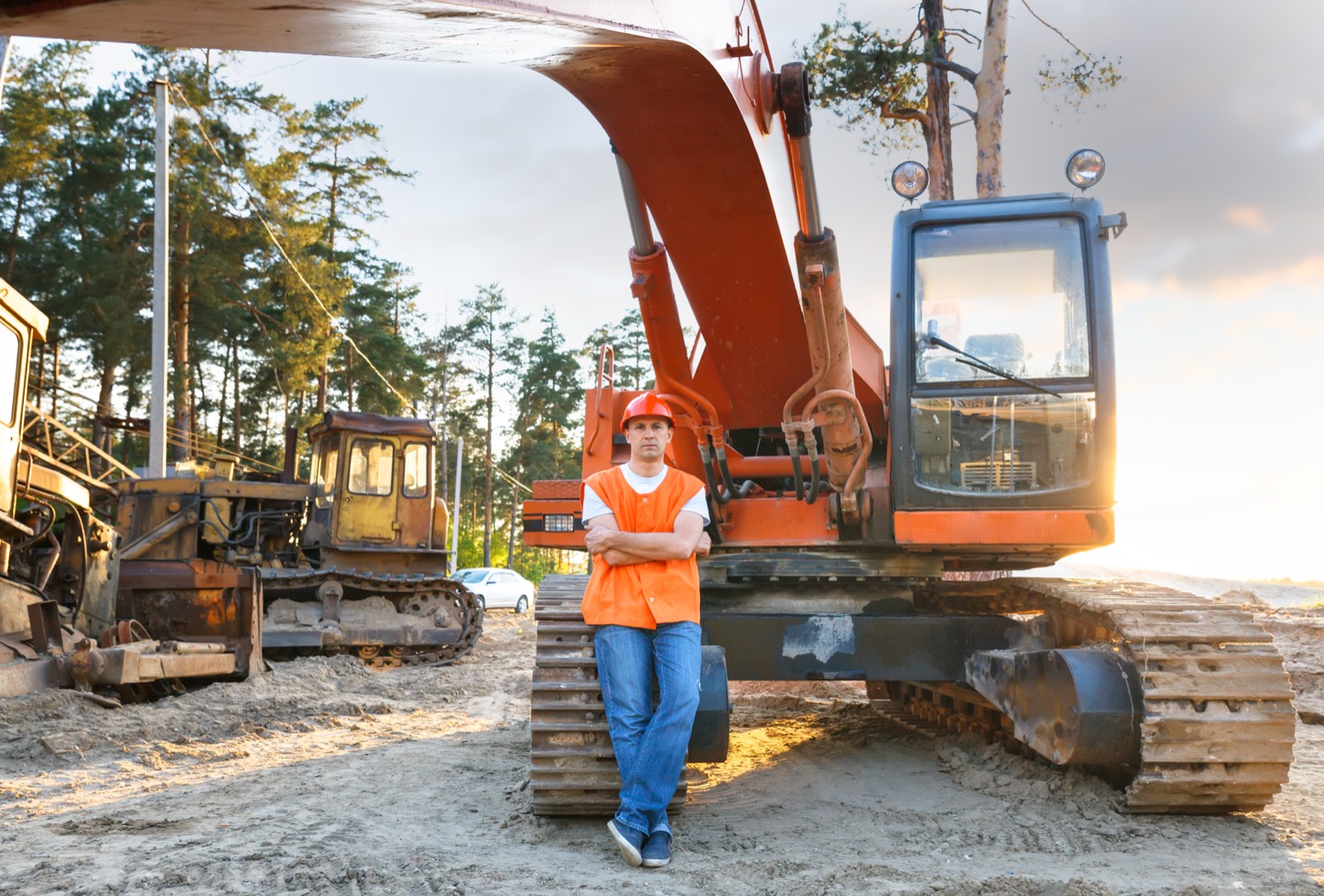
| Heavy equipment operatorConstruction equipment operators | $59,600 | $100,660 | High school + training or apprenticeship | +4% |
| Oil & gas workerRoustabout, derrick, drill operator | $51,650 | $82,360 | No formal credential | +2% |
| Solar PV installerSolar photovoltaic installers | $53,140 | $79,970 | High school + on-the-job training | +37% |
| Logging workerLogging workers | $49,660 | $74,080 | High school | −5% |
| Forest & conservation workerTrail crew, habitat, reforestation | $43,680 | $57,220 | High school | −2% |
Two of these have a much higher top end than the median suggests
A heavy equipment operator's median is $59,600, which is respectable rather than remarkable. The top 10% earn $100,660 — a $41,000 gap that union membership, specialisation and willingness to travel largely explain. Power-line work is the same shape, with a top decile above $128,000.
One occupation is missing from the table above because the federal data is not comparable: arborists are recorded as an hourly median ($24.25, about $50,440 a year) with no separate percentile figures published. They enter with no formal credential at all — and the pay figure most sites quote for them is wrong by about 31%.
Compare that with forest and conservation work, where the whole distribution runs from $33,780 to $57,220. There is no version of that job that pays $90,000. Knowing which occupations have headroom and which do not is worth more than knowing the median.
The two fastest-growing occupations here need no degree at all
+50%Wind turbine technician
Projected to grow 30% by 2035 — among the fastest-growing occupations in the United States. Entry is a postsecondary certificate, not a degree, and the pay floor is unusually high: even the bottom 10% earn $49,230.
+42%Solar PV installer
Growing 42% to 2035, entered on a high school diploma with on-the-job training. The median of $53,140 is modest, but it is the easiest door on this page to walk through.
−5%Forest & conservation work
Declining. Still a real job, and for many people the one they actually want — but it is getting harder to enter, not easier, and it pays the least of the six.
Three routes, and one of them is free
- Apprenticeship — paid. Line work and heavy equipment both run through union locals and registered apprenticeships, where you earn while you train. This is the best-value route on this page and the least advertised. Start with the local, not a school.
- Short certificate — paid for by you. Wind turbine technician and some equipment programs run a few months at a technical college. Costs vary widely; check placement rates before enrolling, and check whether local employers actually recruit from that program.
- Straight in. Solar installation, logging and conservation work are commonly entered with a high school diploma and on-the-job training. Lower pay, no upfront cost.
Common questions
What is the highest paying outdoor job without a degree?
Power-line installation. The median is $95,320 and the top 10% earn more than $128,690, entered on a high school diploma followed by an apprenticeship. It outearns every degree-required outdoor occupation covered on this site except geoscientist.
Do I need a trade school?
Often not. Line work and heavy equipment operation are both commonly entered through registered apprenticeships, where you are paid while training. A private program can be the right answer if no local apprenticeship is taking applications, but it should be the second question, not the first.
Which of these jobs is growing fastest?
Wind turbine technician at 50% growth to 2035 and solar PV installer at 37% — both among the fastest-growing occupations in the country, and neither requires a degree.
Do any of these include housing?
Rarely. Trades roles generally pay a per diem for remote-site work rather than providing accommodation, which is often worth more because you keep what you do not spend. The jobs that include housing are mostly seasonal park and resort work — see what park housing actually costs.
Sources
- Wage source
- U.S. Bureau of Labor Statistics, Occupational Outlook Handbook — national estimates, May 2025 wage data, 2025–2035 employment projections. Retrieved 29 August 2026.
- Entry education
- The BLS "typical entry-level education" field. It describes what most entrants have, not a legal requirement.
- Known limits
- BLS occupations are broader than job titles, and medians describe year-round full-time work. Seasonal versions of these roles pay a fraction of the annual figure.
- Corrections
- If a figure here is wrong or out of date, tell us and we will fix it and note the change.