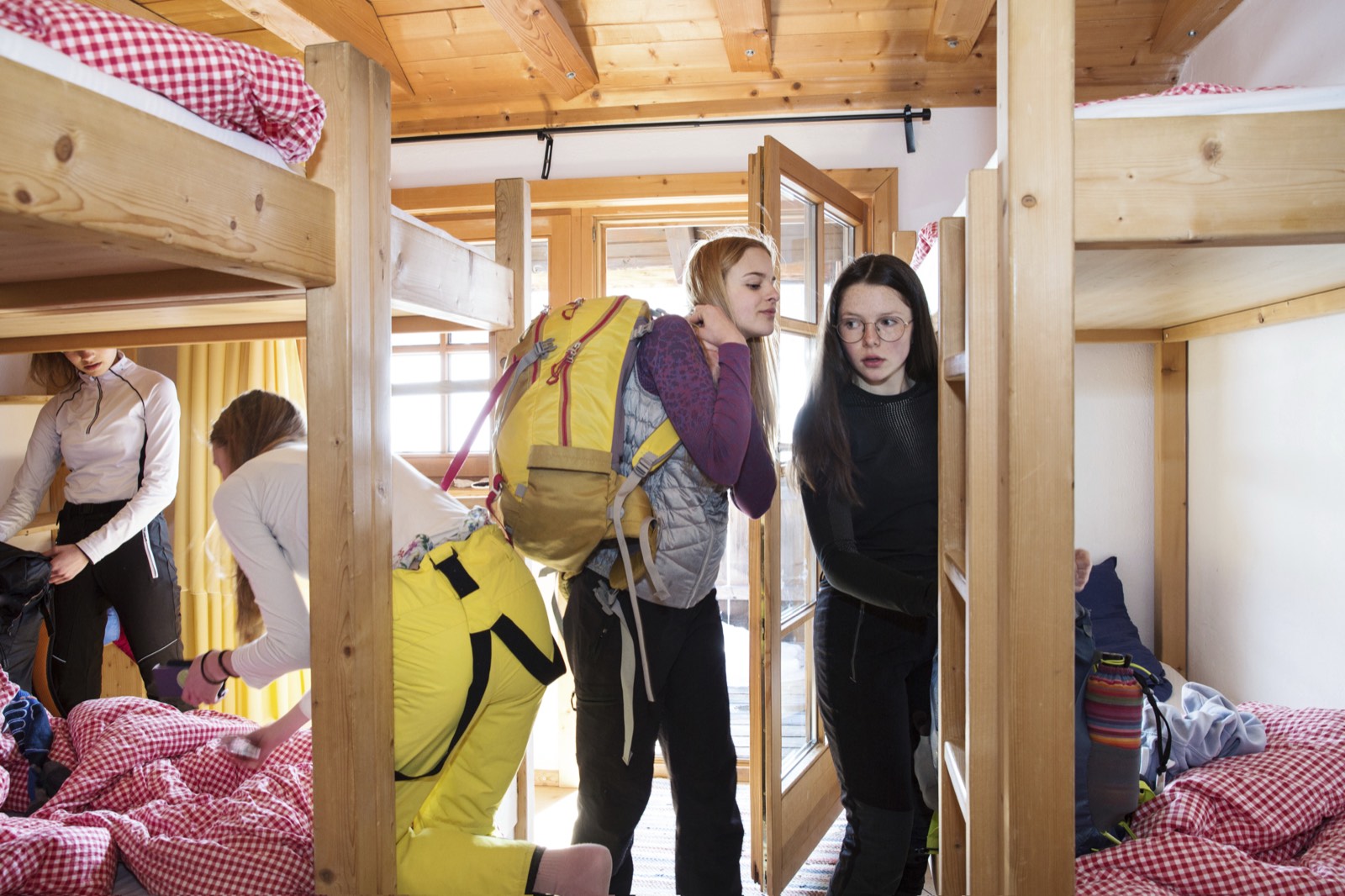
Outdoor jobs that include housing
Seasonal employers advertise a housing rate. Almost none of them say whether food is in it — and that single omission is worth more than a thousand dollars over a season.
The cheapest-looking housing is often the most expensive
Two seasonal jobs can advertise the same wage and leave you thousands of dollars apart, because one deducts $17 a day and feeds you three meals, and the other deducts $50 a week and hands you a shared kitchen. Here is what four national park operators actually charge.
What park housing costs per week
Converted to a weekly figure at seven daysWhat each rate actually covers
| Employer | Rate | Meals | Also included | Season |
|---|---|---|---|---|
| Xanterra — YellowstoneDormitory; limited summer RV spaces | $17.00/day | All meals | Wi-Fi, laundry, utilities | Apr–Oct · Dec–Mar |
| Xanterra — Glacier (dorm)2–4 roommates; shared cabins also available | $15.74/day | 3 meals/day | Laundry, shuttle, Wi-Fi | 13 Apr – 10 Oct |
| Xanterra — Glacier (RV site)Bring your own rig | $12.25/day | None | Free laundry, shuttle, Wi-Fi | 13 Apr – 10 Oct |
| Delaware North — Grand CanyonShared trailers, apartments, dorms, houses | $50–75/week | No dining room | Wi-Fi, satellite TV, all utilities, shared kitchen, 50% food discount | Spring–fall & year-round |
The resorts will not tell you the price
Major resorts do offer staff housing — Winter Park advertises single-occupancy rooms for the winter, Copper Mountain advertises housing at the base of the mountain — but none of them publish what it costs. Winter Park's own careers page says only that housing may be "included in the compensation package or provided at a cost."
That is not a reason to avoid resort work. It is a reason to ask directly, in writing, before you accept: what is the weekly deduction, is it single or shared occupancy, and is any food included. A resort that will not answer those three questions in an email has told you something useful.
Where housing actually comes with the work
- Park and resort operations — commonly. Hospitality, retail, food service, front desk and guiding roles inside national parks and at ski resorts. This is the largest pool by far, and where the figures above apply.
- Federal roles — sometimes. Park rangers can rent government quarters, deducted from pay. Wildland fire crews often get barracks at their duty station. Neither is published centrally — ask the park or the unit, not the internet.
- Field science and trail crew — sometimes. Remote field stations and backcountry crews frequently include bunkhouse accommodation for the season.
- Trades — rarely. Line work, heavy equipment, wind and survey generally pay a per diem for remote-site work rather than providing housing. That is often worth more, because you keep whatever you do not spend.
The pattern is worth internalising: the jobs that include housing tend to pay least, and the jobs that pay most tend not to include it. A $17-a-day room is genuinely valuable when you are earning $15 an hour for a season. It is close to irrelevant when you are a lineman earning $95,320.
Five questions worth asking in writing
- What is the deduction, and how often is it taken? Daily rates deducted biweekly are the norm; get the actual dollar figure.
- Are meals included, and how many? This is the question that changes the answer. "Some meals / discounts" is not the same as three a day.
- Single or shared, and how many roommates? Two to four is standard in park dormitories.
- Is housing guaranteed for my specific role? Not every position at a housing-providing employer gets housing.
- What is the nearest supermarket? If meals are not included and the answer is an hour's drive, the housing rate is not the real cost.
Common questions
How much does national park employee housing cost?
Xanterra charges $17.00 a day at Yellowstone and $15.74 a day at Glacier, and both rates cover dormitory housing, utilities, laundry and three meals a day. Delaware North charges $50–$75 a week at Grand Canyon, but has no employee dining room — you cook for yourself in a shared kitchen and get 50% off at the company's own outlets.
Is it cheaper to bring an RV?
Cheaper on paper. Xanterra's Glacier RV site is $12.25 a day against $15.74 for a dorm bed, but the dorm rate includes three meals a day and the RV rate includes none. Unless you are already living in the rig, the dorm is usually the better deal for a single season.
Do ski resorts provide housing?
Major resorts generally do, and none of them publish the cost. Expect a payroll deduction, expect shared occupancy unless told otherwise, and get the figure in writing before accepting. Winter hiring typically opens in September.
Can I save money working a season with housing included?
Yes, and that is the main financial argument for seasonal work. At Xanterra's Glacier rate, roughly $2,800 covers housing and every meal for a six-month season. What you save depends far more on the housing deduction than on the hourly rate, which is why the deduction deserves the scrutiny most people give the wage.
Sources
- Housing rates
- Quoted directly from each employer's own recruiting pages, retrieved 11 August 2026. Daily rates converted to weekly at seven days.
- Not estimated
- Where an employer does not publish a rate — every major ski resort, and federal barracks — this page says so rather than inventing a figure.
- Changes
- Seasonal rates are reset each year. Treat these as the most recent published figures, not a quote.
- Corrections
- If a figure here is wrong or out of date, tell us and we will fix it and note the change.
Roles where housing or a per diem is normal
Housing arrives in three different forms here — free, deducted from pay, or paid as a per diem. The pay pages say which.